How to Finish a Renovated Home: A Designer’s Guide to the Final Details
You made it through the renovation. The walls have been opened up, the floors are finished, the bathrooms are tiled, and the new appliances are finally in place. It feels like the biggest decisions are behind you.
But then you look around and realize… the house still doesn’t quite feel finished.
Maybe there are a few rooms that are largely empty. Maybe the furniture is there, but something feels missing. Or perhaps you simply aren’t sure how to make the remaining spaces feel connected to the rest of your home.
If you’re wondering how to finish a renovated home, you’re not alone. Once the construction is complete, there is often another phase of the process that involves furnishing, layering, styling, and figuring out how each space should function. While it can be tempting to start filling empty rooms as quickly as possible, taking a more thoughtful approach can make all the difference.
We asked designer Christie Bell how she approaches those “almost finished” spaces – and how homeowners can create a home that feels intentional, cohesive, and truly complete.
Why Does a Renovated Home Still Feel Unfinished?
Question: What are some of the most common reasons a room can feel “off” even when it has all the basic furniture it needs?
According to Christie, the answer is often in the details.
“A room feels off when it’s missing the final layers.”
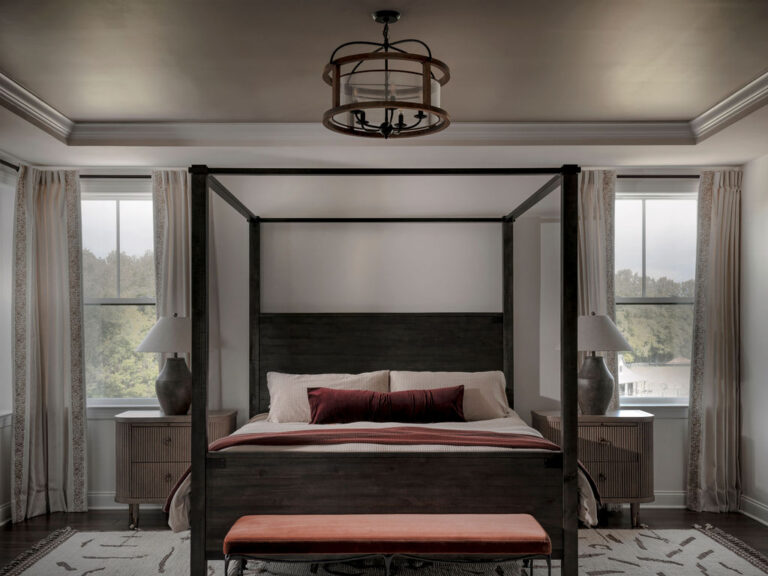
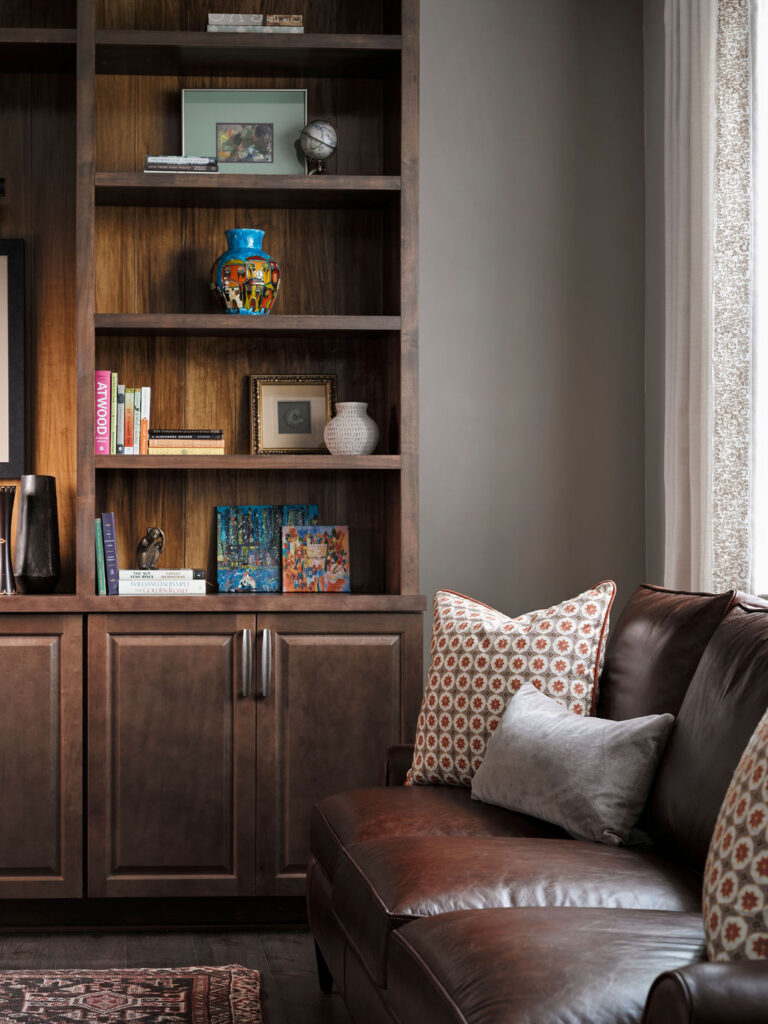
Those layers might include pillows, artwork, decor, and window treatments. They aren’t necessarily functional necessities, but they are often what create the feeling you experience when you walk into a well-designed room. Christie points to one project where the homeowners had brought home a piece of tapa cloth from their travels. Rather than simply displaying it as artwork, she incorporated the pattern into the room in another way, using a fabric trim on the curtains that subtly reflected the design.
“These little details might not consciously be seen by the average eye,” she explains, “but subconsciously, they make all the difference.”
So if you’re trying to figure out how to finish a renovated home, don’t assume you need to add more furniture. You may simply need to add the right layers.
How to Make the Finished Spaces Feel Cohesive
Question: When a homeowner has already completed the majority of their home, how do you approach designing the remaining spaces so they feel cohesive with what already exists?
Christie’s starting point is surprisingly simple: look at the rooms next to it.
“To create a cohesive look throughout the home, start by considering the adjacent rooms to the one you’re designing,” she says.
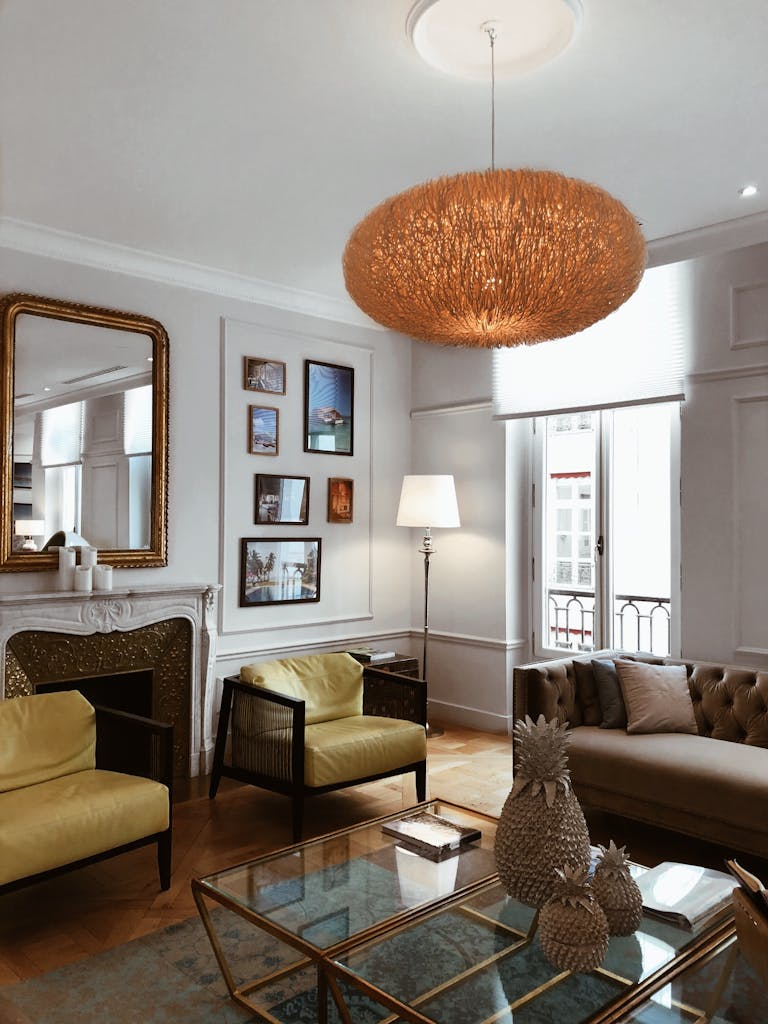
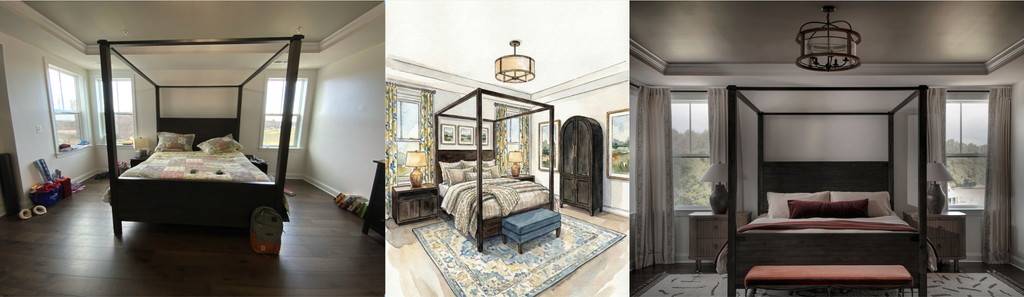
From there, look for opportunities to subtly connect the spaces through color palettes, paint, or accessories. That doesn’t mean every room needs to use the same colors or style. In fact, the rooms can be quite different. The key is finding a few elements that intentionally connect them. Think of it as creating a visual conversation between rooms rather than making everything match.
When you’re learning how to finish a renovated home, this is an important distinction. The goal isn’t to make every room look the same. It’s to make the home feel like it was designed as a whole.
How to Prioritize Rooms After a Renovation
Question: If a homeowner has several unfinished spaces, how should they determine where to spend their time and budget first?
This is where many homeowners get overwhelmed. Maybe the guest room needs furniture, the office needs a layout, the living room needs artwork, and there’s an awkward little space you’ve never quite figured out how to use. It can be tempting to tackle everything at once.
Christie’s advice? Don’t.
“Always function first,” Christie says.
Ask yourself: Which unfinished space would I constantly use or enjoy if it were completed? That’s where she recommends starting. Rather than making small improvements to several rooms simultaneously, Christie prefers focusing on completing one space thoughtfully before moving on to the next.
“Personally, I’d rather have one room that is extremely well designed than working on multiple rooms in bits and pieces,” she says.
There is another benefit to taking your time: fewer costly mistakes.
“There’s so much room for error and costly mistakes when you try to design along the way. A well-thought-out plan is how you’ll spend your time and money most efficiently.”
In other words, an unfinished room isn’t necessarily a problem that needs to be solved immediately. Sometimes, waiting until you have a plan is the smarter investment.
How to Finish an Awkward Room
Sometimes the reason a room remains unfinished is because you genuinely don’t know what to do with it. Maybe it’s an unusual shape. Maybe the dimensions are difficult. Maybe there’s a strange corner, low ceiling, or oddly placed doorway that makes traditional furniture arrangements feel impossible.
Question: How do you determine the best use for a room that has an awkward shape, unusual dimensions, or an unconventional layout?
Christie’s first question is always about function.
“Is there a function that isn’t being met in the home, and is there room to add that into the space we’re working on?”
Instead of asking, “What furniture fits here?” start by asking, “What does my home need?”
From there, floor planning becomes critical.
“Consider the flow for the walkway and scale of any items you want to add to the space,” Christie says.
Before deciding that a difficult room simply has to stay difficult, she recommends getting creative about what might be changed.
“Have a contractor check the walls to see if any drywall can be removed.”
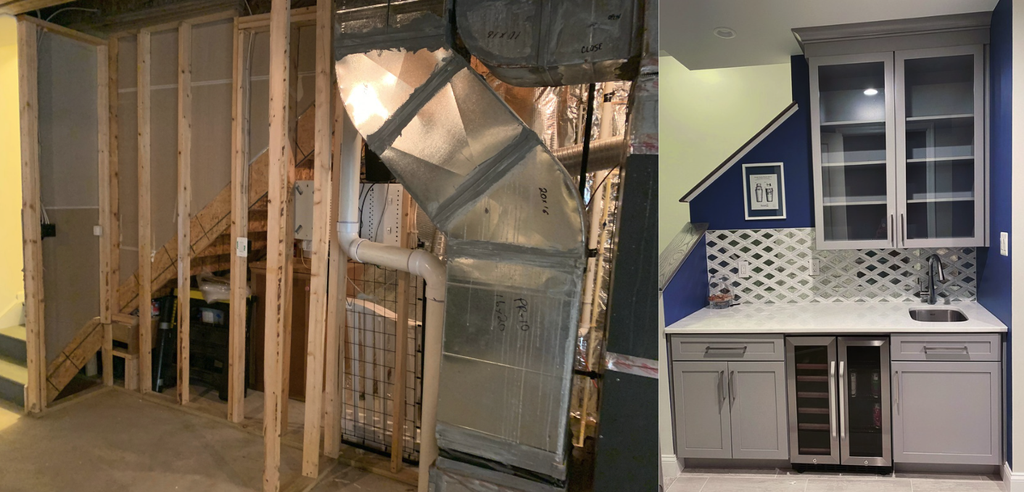
Sometimes the solution isn’t finding the perfect piece of furniture. It may be changing the space itself. Christie points to the area underneath a staircase as a great example. What might initially feel like wasted space could become built-in storage, a bench, or even a wine cellar. Below is an example of how we utilized an otherwise unused use to create a wet bar.
Don’t Overlook the “Wasted” Spaces
Some of the most interesting rooms in a home can come from spaces that weren’t originally designed to be rooms at all.
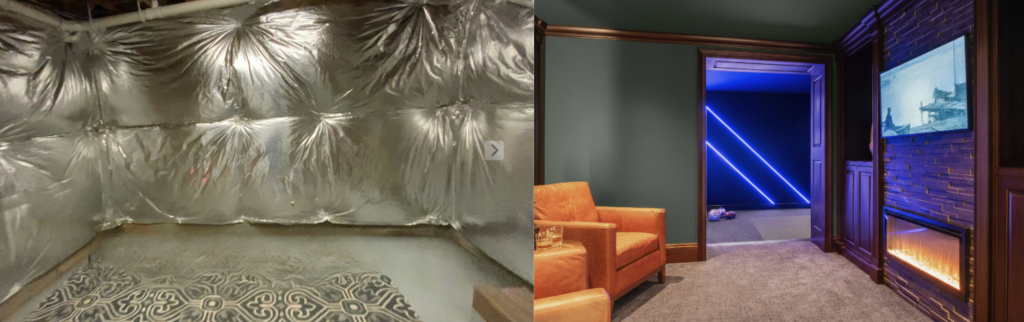
Christie shared one project that perfectly illustrates this. One of her clients expanded their home to create space for a golf simulator in the basement. During the renovation, they excavated beyond what had previously been a small cinder-block storage room located just off the home gym.
Suddenly, they had an unexpected bonus space.
The question became: What do we do with it?
Rather than treating it like leftover square footage, Christie transformed it into an intimate lounge. One wall features an electric fireplace surrounded by stone. Across from it, two leather chairs and a smoked-glass side table sit against an illuminated accent wall featuring Phillip Jeffries wood-veneer and gold wall-covering. Steel-framed glass doors separate the lounge from the surrounding spaces while still maintaining a visual connection.
Even the television serves a purpose beyond entertainment. Above the fireplace, Christie specified a Frame TV that displays artwork when it’s not in use. The AV team also integrated it with the golf simulator, allowing guests in the lounge to watch the action and follow each player’s progress while they wait for their turn.
What started as a small, seemingly insignificant storage area became one of the home’s most intentional spaces.
The Final Step: Finish Your Home Thoughtfully
For homeowners who have already completed a major renovation, it can be frustrating to feel like the house still isn’t done. But perhaps that’s not a bad thing.
Once the construction dust settles, you’re finally able to experience how your home actually functions. You can see which spaces you use most, where you need more storage, what furniture is missing, and which rooms have potential you hadn’t noticed before.
If you’re figuring out how to finish a renovated home, start by asking:
- What spaces will we use and enjoy the most?
- What functions are missing from our home?
- How can we make this room feel connected to the spaces around it?
- Are we solving the actual problem, or simply filling an empty room?
At this stage in your home renovation journey, give yourself permission to finish your home thoughtfully rather than all at once. If you have had similar questions to the ones addressed in this blog, Christie would love to meet you and help you create a plan to finish your home with intention and mastery. Schedule your discovery call today!